Flood Season Is Here. Here’s How to Stay Safe.
Rainy season has returned, and with it, one of the most familiar challenges facing communities across Nigeria: flooding. Heavy rainfall itself is nothing new. What determines how much damage it causes often comes down to planning, infrastructure, environmental management, and how prepared people are before the water rises.
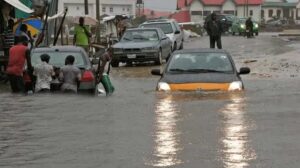
Every year, the same pattern plays out in cities and towns across the country. Drains that were never cleared overflow within minutes. Roads that seemed passable the day before become impassable, sometimes dangerous. Vehicles stall in floodwater, and pedestrians wade through currents that hide open gutters and live electrical lines beneath the surface. Much of this is preventable, or at least survivable, with the right level of flood preparedness.
What You Can Do
Staying informed is the first line of defense. Official weather forecasts and emergency advisories exist for a reason, and paying attention to them can mean the difference between having time to prepare and being caught off guard.
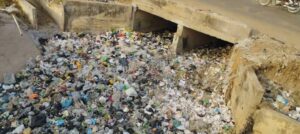
Drainage channels deserve more attention than they usually get. Waste dumped into gutters and waterways does not disappear. It builds up, blocks flow, and turns ordinary rainfall into a flood event. Keeping these channels clear is one of the simplest, most effective things a household or business can do.
When flooding looks likely, moving valuables to higher ground protects what matters most, important documents, electronics, and emergency supplies. It takes only a few minutes but can save days of recovery afterward.
If flooding becomes imminent, turning off electricity can prevent a second disaster on top of the first, provided it can be done safely. And every household should have an emergency plan in place, with clear evacuation routes and emergency contact numbers that everyone in the family knows.
What to Avoid
Just as important as knowing what to do is knowing what not to do.
Never drive through floodwater. What looks like a shallow puddle can hide a collapsed road, an open manhole, or a drop-off that swallows a vehicle whole. The road conditions beneath the surface are simply not visible, and the risk is rarely worth it.
The same goes for walking through moving water. Strong currents can knock a person off their feet, and hidden drains beneath the surface pose a real threat, even in water that looks calm.
Dumping refuse into drains might feel like a small, private decision, but it has consequences for an entire community. Blocked drainage raises flood risk for everyone downstream, not just the person doing the dumping.
Official warnings should never be ignored. Early action, evacuating ahead of time or securing property before water rises, reduces risk far more effectively than reacting after the fact.
And once floodwaters recede, resist the urge to return home immediately. Wait until authorities confirm it is safe. Floodwater can leave behind electrical hazards, structural damage to buildings, and contamination that is not visible at first glance.
A Shared Responsibility
Flood prevention is often treated as something government alone should handle, through drainage construction, waste management systems, and urban planning. Government does have a critical role to play, but flooding in many Nigerian communities is made worse by everyday habits that citizens themselves can change.
Waste and plastic dumped on the streets and into gutters is one of the biggest contributors to urban flooding. It does not wash away. It collects in drainage channels, blocks the natural flow of water, and turns what should be a manageable rainfall into standing water or, in worse cases, a flood that damages homes and businesses. This is not solely an infrastructure failure. It is often the direct result of how waste is disposed of on a daily basis.
Keeping drains clear and disposing of waste properly should not be seen as the government’s job alone. It is a responsibility that belongs to citizens too. Simple habits, using designated bins, avoiding the temptation to throw refuse into open drains or waterways, and reporting blocked channels to local authorities, can make a measurable difference. When individuals and communities take ownership of their immediate environment, flood preparedness becomes a shared achievement rather than a government obligation alone.
Flooding will always be a shared problem, and the solution has to be shared as well.
Why Geospatial Data Matters
At Geospatial Research Limited, we see flood preparedness as more than a seasonal reminder. It is a data problem as much as a behavioral one. Geospatial data supports flood risk assessment, helps planners understand which areas are most vulnerable, informs infrastructure development decisions, and enables faster, better-informed responses before, during, and after flood events.
Accurate information is the foundation of genuine preparedness. Knowing where the risk is highest, where drainage infrastructure is weakest, and how water is likely to move through a city allows governments, communities, and organizations to act ahead of the flood rather than in response to it.
As rainfall continues across many parts of the country, we encourage everyone, individuals, families, and organizations alike, to stay informed, take sensible precautions, and put safety first. Flood preparedness protects lives, property, and communities.