Project Background
UNOPS Sierra Leone, with funding from the European Union, is implementing the Salone Off-Grid Renewable Energy and E-Waste (SOGREA) Project. The project supports the sustainable development of the country’s growing off-grid solar sector, with particular attention to environmental compliance and long-term sector resilience.
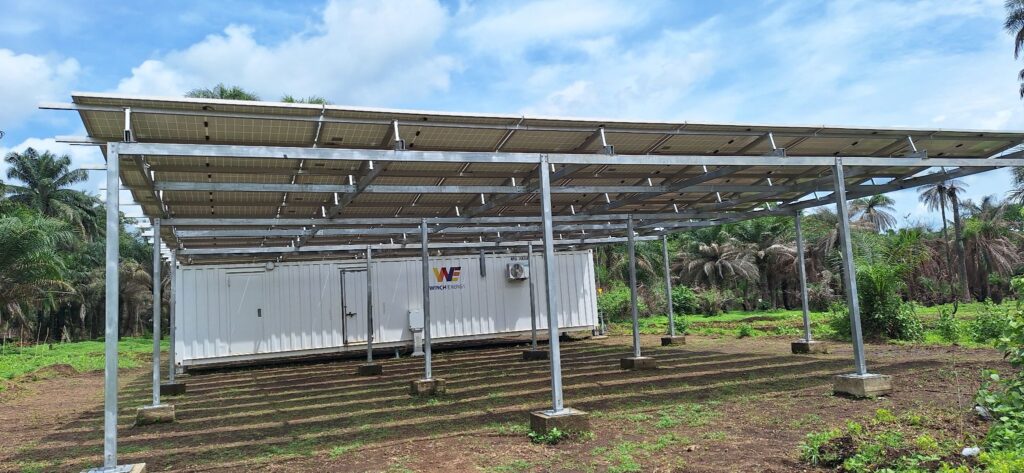
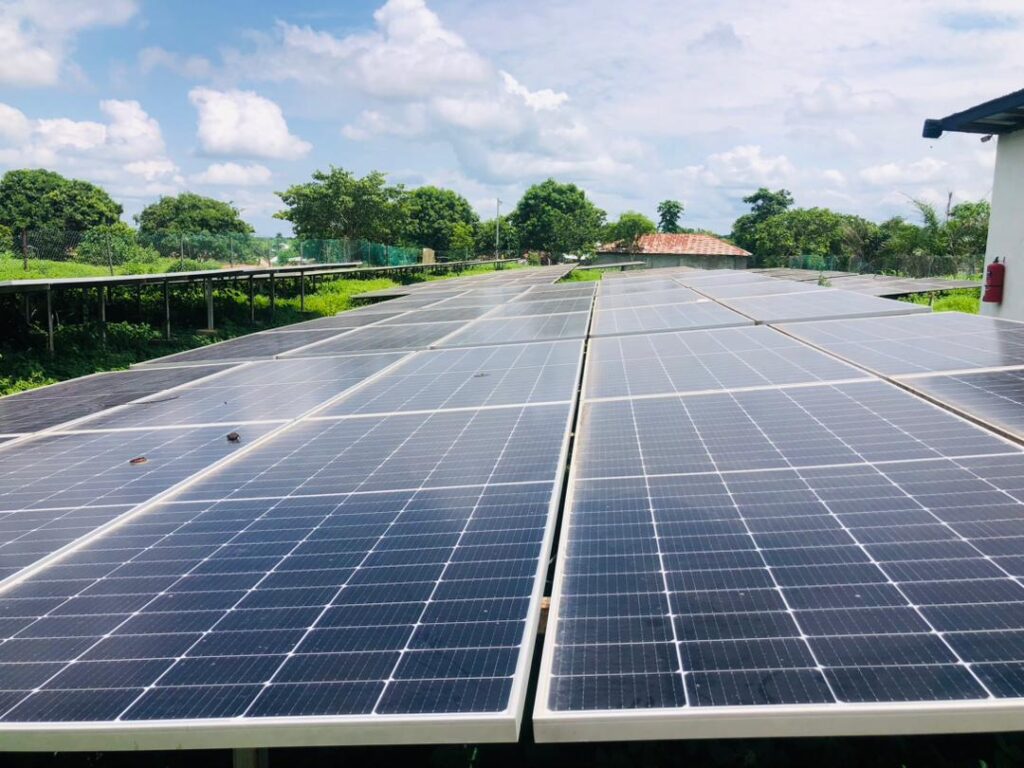
As solar home systems, mini-grids, and institutional photovoltaic (PV) installations expand across Sierra Leone, the management of end-of-life PV panels and batteries (lead-acid and lithium) has become an emerging environmental priority. Inadequate collection, storage, and disposal practices pose increasing environmental, public health, and occupational safety risks.
Work Package 3 (WP3) focuses on establishing a baseline assessment of solar and battery waste, including quantifying waste volumes, mapping solar value chain actors (formal and informal), identifying disposal pathways, and assessing environmental and social risks associated with current practices. The findings will inform regulatory strengthening, monitoring frameworks, and circular economy planning.
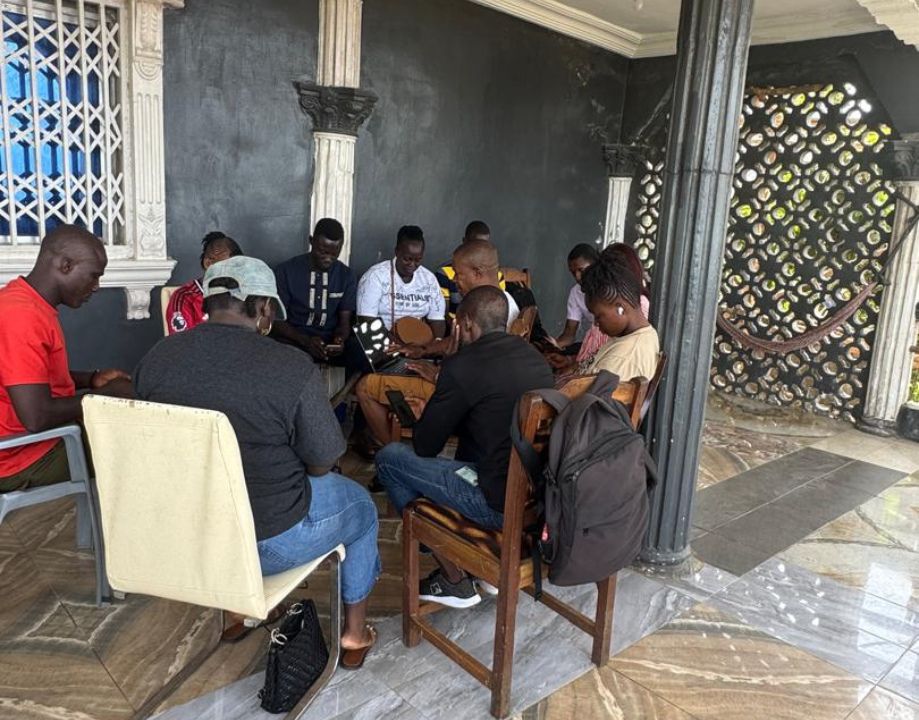
Following the Regional Workshops held in Kenema, Bo, Makeni, Port Loko, and Freetown, UNOPS will commission a rapid field-based baseline study to generate district-level, geo-referenced data. The results will establish reference values for WP3 monitoring indicators and support evidence-based policy and regulatory decision-making.
Project Objective
This project involves the implementation of a rapid, structured, and geo-referenced baseline study on solar photovoltaic (PV) and battery waste across five target districts in Sierra Leone, namely Kenema, Bo, Makeni, Port Loko, and Freetown. The assignment is being carried out under the Salone Off-Grid Renewable Energy Acceleration (SOGREA) Project to generate district-level evidence on solar waste generation, waste handling practices, disposal pathways, and associated environmental and social risks.